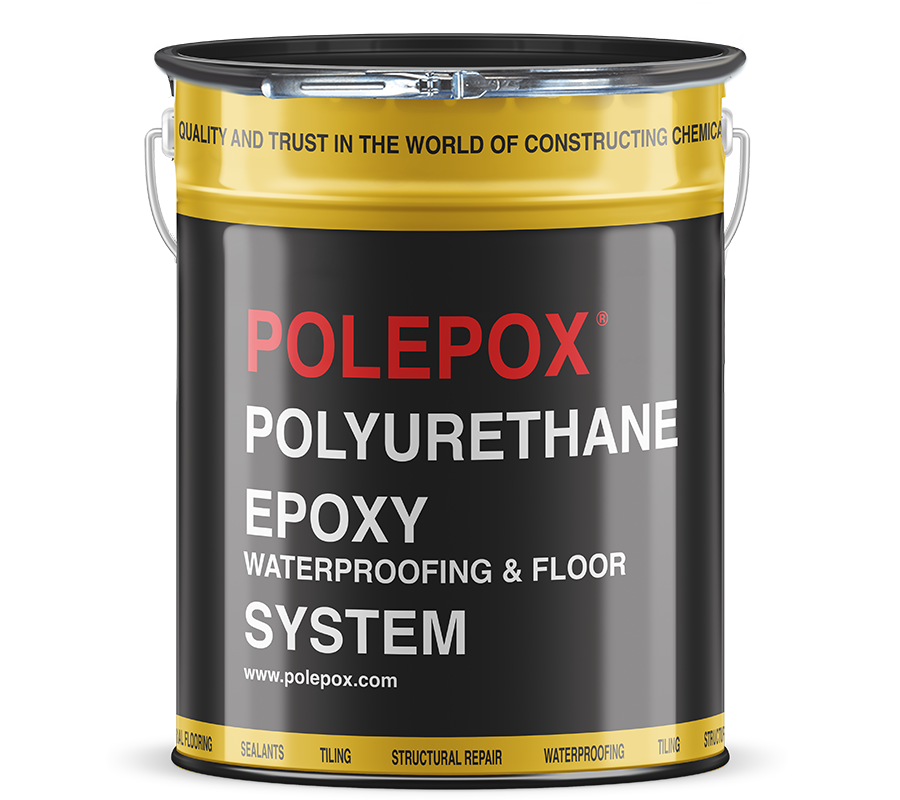

POLEPOX-EPX SL 320
It is an epoxy-based floor covering material with high mechanical strength and high chemical resistance that can self-spread without solvents.
FEATURES / ADVANTAGES
It exhibits excellent resistance to chemicals. Resistant to friction and abrasion. Creates a smooth surface that is easy to clean and hygienic. It does not require maintenance for a long time, is easy to apply, and does not contain solvents.
APPLICATION AREAS
Factories, warehouses, shopping centers, workshops, aircraft hangars, schools, hospitals, pharmaceutical industry, food industry, laboratories, parking lots, water treatment plants, heavy forklift areas, and locations where corrosive chemicals are used.
TECHNICAL SPECIFICATIONS
Specification Value Product Code POLEPOX-EPX SL 320 Number of Components 2 Density (Mixture) 1.40±0.05 g/cm³ (20°C TS EN ISO 2811-1) Solid Mixture (%) 100% by Weight Shore D 80 Application Thinner Not Thinned Mixing Ratio By Weight: A/B : 80/20 Mixture Life 40 Minutes (23°C, 200g. DIN 16945) Method of Application Trowel Consumption 1.5 kg for a thickness of 1 mm
DRYING TIMES
Temperature Pedestrian Traffic Mechanical Strength Chemical Resistance +10°C 72 hours 5 days 10 days +20°C 24 hours 4 day 7 days +30°C 18 hours 2 days 5 days
DECKING WAITING TIMES
Temperature Minimum Maximum +10°C 30 hours 3 days +20°C 24 hours 2 days +30°C 16 hours 1 day
MECHANICAL STRENGTH VALUES
Test Description Value Standard Compressive Strength ~50 N/mm² DIN EN 196 Adhesion Strength >1.5 N/mm² (Concrete) EN 1542, EN ISO 4624 Bending Strength ~25 N/mm² DIN EN 196 Wear Resistance 70mg (CS 10/1000/1000) DIN 53 109 (Taber Test)
APPLICATION METHOD & SURFACE PREPARATION
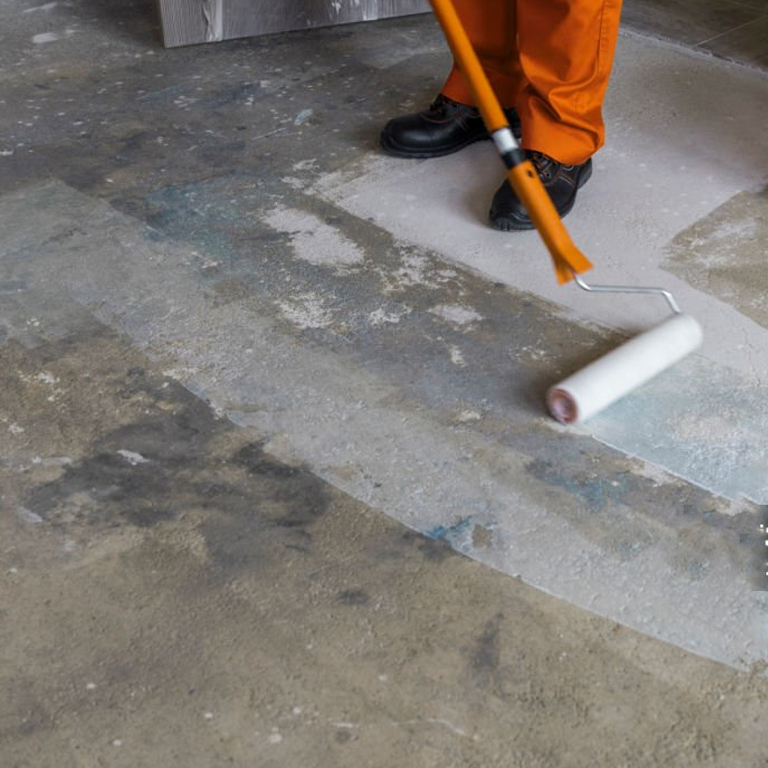
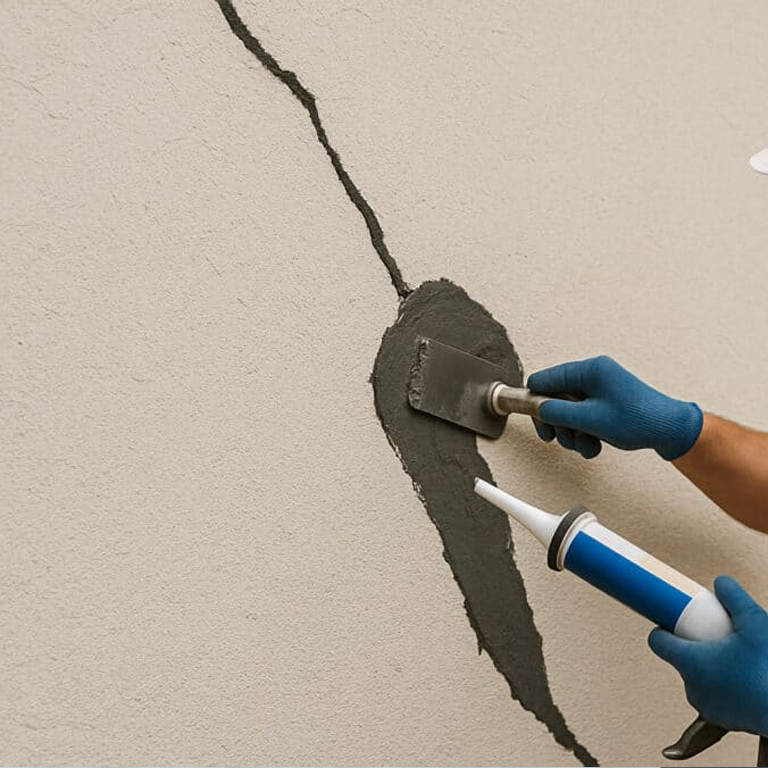
For sheet metal surfaces, sandblasting at SA 2 ½ level is required to achieve peak performance. The surface must be primed with an epoxy primer rich in zinc powder or zinc phosphate to create the necessary dry film. Concrete surfaces must be clean, solid, and have a compressive strength of >25 N/mm² and tensile strength of >1.5 N/mm². There should be no play on the surface. The cement grout (sorbet) must be removed using abrasive equipment to obtain an open porous surface. Concrete should be at least C25 standard, preferably C30-C35. Clean surfaces of grease, dirt, and mortar using pressurized water. Ensure the surface is free from mold release agents and loose particles. Roughen bright surfaces by milling or sandblasting. Cut and clean concrete cracks in a V-shape.
APPLICATION CONDITIONS
Parameter Condition Surface & Ambient Temperature Min +10°C / Max +30°C Material Temperature Between +10°C and +30°C Surface Moisture Content Max 4% Relative Humidity Max 80% Dew Point Floor temp must be at least 3°C above dew point
APPLICATION INSTRUCTIONS - APPLICATION NOTES
The mixing ratio is A/B: 80/20 by weight. Mix Component A with a low-speed mechanical mixer until homogeneous. Add Component B and mix continuously for 2 minutes. Avoid excessive mixing to minimize air drag. Check dew point and humidity before starting. Pour the mixture onto the primed surface and spread with a notched trowel. Use a hedgehog (spiked) roller to eject trapped air. Consume the mixture within 40 minutes. Repair operations should follow at least 8 hours after priming.
Do not apply where there is moisture outflow from the surface. Protect fresh application from moisture and water for at least 24 hours. Surfaces and adjacent areas must be thoroughly cleaned as thin coatings cannot cover irregularities. Use products from the same batch number for color consistency. Use electrical heaters if necessary; fossil fuels affect surface appearance. Sun damage may cause color differentiation but does not affect performance. Avoid application in extreme heat, rain, or wind. Condition materials at the site 1-2 days in advance. In cold weather, increase temperatures and condition packages at +20°C to +25°C. Application must be performed by professionals.
STORAGE & PACKAGING - HEALTH AND SAFETY
Supplied as a 25 kg set (A/B: 20/5). Shelf life is 12 months in original unopened packaging at 15°C to 25°C in dry, ventilated conditions. Follow the first-in, first-out rule. Low temperatures slow reactions and increase consumption; high temperatures accelerate reactions and shorten work time. Protect from water for 24 hours post-application to avoid carbonation; otherwise, the coating must be renewed.
Observe safety signs and warnings on the packaging. Follow MSDS instructions. Provide adequate ventilation and wear protective equipment like masks and gloves. Avoid direct contact, do not inhale vapors, and keep away from fire.



For high-strength surfaces that combine aesthetics,